Home / Black mold symptoms: what the CDC and EPA actually say
Black mold symptoms: what the CDC and EPA actually say
There is a lot of fear around "toxic black mold." Here is what the federal health agencies say about symptoms, the science behind the scare, and what to do.
Talk to a local provider: (000) 000-0000Updated November 6, 2026. Every statement is linked to the agency that made it.
The short version
Symptoms the health agencies list
- The CDC says mold can cause a stuffy nose, sore throat, coughing or wheezing, burning eyes, or a skin rash in some people[4], and that damp, moldy homes may cause a variety of health effects or none at all[4].
- The EPA lists hay fever-type reactions such as sneezing, runny nose, red eyes and skin rash in sensitive people[5], and says mold can trigger asthma attacks in people with asthma who are allergic to mold[5].
- People with asthma or a mold allergy may have severe reactions[4]; people with weakened immune systems or chronic lung disease may get lung infections[4].
- Less commonly, breathing mold may cause hypersensitivity pneumonitis, a disease that resembles bacterial pneumonia[1].
- The CDC cites a 2004 Institute of Medicine finding of sufficient evidence linking indoor mold to upper respiratory symptoms, cough and wheeze in otherwise healthy people[4].
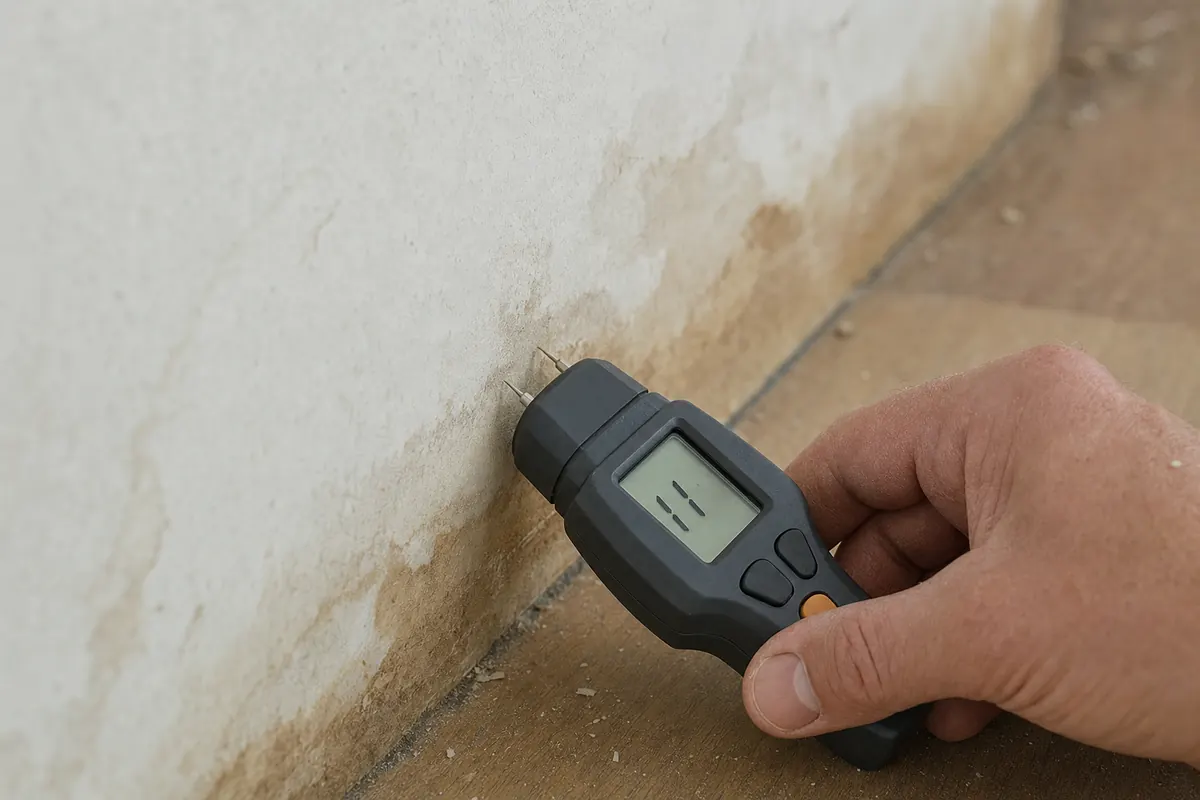
Headaches, breathing trouble and skin irritation can have causes other than mold, the EPA notes, so do not assume mold is the cause[1]. The CDC says people with persistent symptoms should see their physician[3].
What about "toxic black mold"?
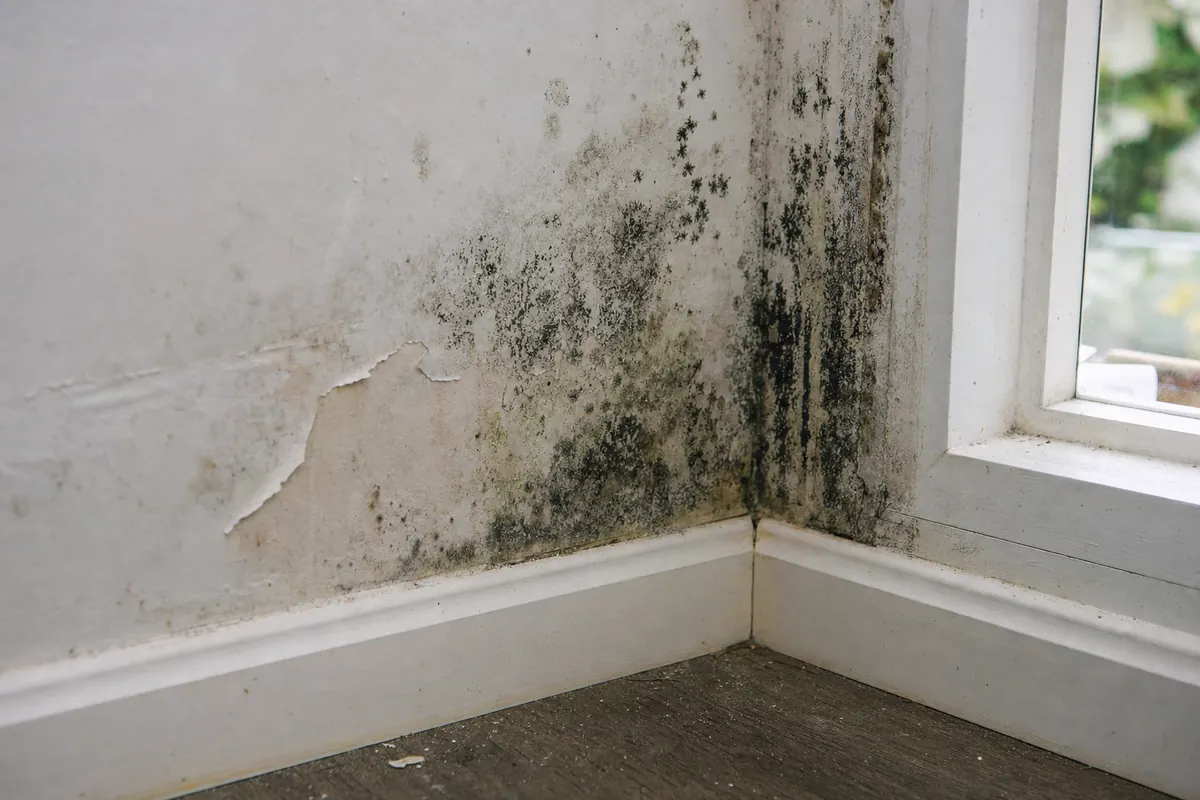
- The mold people usually mean is Stachybotrys chartarum, which the CDC describes as greenish-black[3]. It grows on materials high in cellulose, such as drywall, fiberboard and paper[3]. It is not one of the most common indoor molds; those are Cladosporium, Penicillium and Aspergillus[4].
- Some molds, but not all, can produce toxic byproducts called mycotoxins under some conditions[1]. More than 200 have been identified[1], but for many there is little health information[1].
- The infant lung-bleeding scare. Reports from Cleveland in the 1990s described a cluster of 10 infants[6]. In 2000 the CDC found serious shortcomings in how that data was collected and analyzed[6], concluded the evidence did not support a link[6], and noted the link was not seen in a similar cluster in Chicago[6]. The CDC still says the link has not been proven[3].
- No test exists that proves Stachybotrys causes particular symptoms[3].
- One agency goes further: NIEHS says extended mold exposure has been linked to short-term memory loss, dizziness and "brain fog"[7]. The page does not cite studies for this, and the CDC and EPA pages we reviewed do not make the same claim.
That does not make mold harmless. The EPA says dead mold is still allergenic[1], and that any indoor mold growth should be cleaned up whatever its color[2].
What to do if you see or smell mold
- A musty smell suggests mold is growing and should be investigated[1].
- Skip the species test. Sampling is usually unnecessary when mold is visible[8], and the CDC does not recommend routine testing[4].
- Fix the moisture first; there is no practical way to remove all spores indoors, so controlling moisture is how mold is controlled[9].
- Small areas (under about 10 square feet) are usually a homeowner job[5]. See how to get rid of mold.
- Larger areas in Florida are licensed work: remediation of more than 10 square feet requires a state license[10][11]. If you have health concerns, the EPA says to talk to a health professional before starting cleanup[12].
Questions
Is black mold more dangerous than other mold?
Not by color. The EPA says "black mold" is not a species[1] and nobody can tell whether a mold is making toxins by looking at it[1]. The CDC says all molds should be treated the same way[3].
Sources
Every figure on this page links to its source. Statutes are from the 2026 Florida Statutes. FEMA and NOAA figures were downloaded on 6 November 2026.
- Mold Course Chapter 1. U.S. Environmental Protection Agency. https://www.epa.gov/mold/mold-course-chapter-1 Accessed 6 Nov 2026.
- Mold Course Chapter 3. U.S. Environmental Protection Agency. https://www.epa.gov/mold/mold-course-chapter-3 Accessed 6 Nov 2026.
- Stachybotrys chartarum Facts. U.S. Centers for Disease Control and Prevention. https://www.cdc.gov/mold-health/data-research/facts-stats/index.html Accessed 6 Nov 2026.
- Mold (CDC Mold and Health, About). U.S. Centers for Disease Control and Prevention. https://www.cdc.gov/mold-health/about/index.html Accessed 6 Nov 2026.
- A Brief Guide to Mold, Moisture and Your Home. U.S. Environmental Protection Agency. https://www.epa.gov/mold/brief-guide-mold-moisture-and-your-home Accessed 6 Nov 2026.
- Update: Pulmonary Hemorrhage/Hemosiderosis Among Infants --- Cleveland, Ohio, 1993-1996 (MMWR). U.S. Centers for Disease Control and Prevention. https://www.cdc.gov/mmwr/preview/mmwrhtml/mm4909a3.htm Accessed 6 Nov 2026.
- Mold. National Institute of Environmental Health Sciences (NIH). https://www.niehs.nih.gov/health/topics/agents/mold Accessed 6 Nov 2026.
- Mold Testing or Sampling. U.S. Environmental Protection Agency. https://www.epa.gov/mold/mold-testing-or-sampling Accessed 6 Nov 2026.
- Ten Things You Should Know about Mold. U.S. Environmental Protection Agency. https://www.epa.gov/mold/ten-things-you-should-know-about-mold Accessed 6 Nov 2026.
- Section 468.8411, 2026 Florida Statutes. The Florida Senate (Florida Statutes). https://www.flsenate.gov/Laws/Statutes/2026/468.8411 Accessed 6 Nov 2026.
- Section 468.8419, 2026 Florida Statutes. The Florida Senate (Florida Statutes). https://www.flsenate.gov/Laws/Statutes/2026/468.8419 Accessed 6 Nov 2026.
- Mold Cleanup in Your Home. U.S. Environmental Protection Agency. https://www.epa.gov/mold/mold-cleanup-your-home Accessed 6 Nov 2026.