Mold remediation
Florida's heat and rain make mold a common problem after any leak. Here is what the EPA, CDC and Florida law say, and how to reach an independent local provider.
Call (000) 000-0000Updated November 6, 2026. Sources below.
Signs and health effects
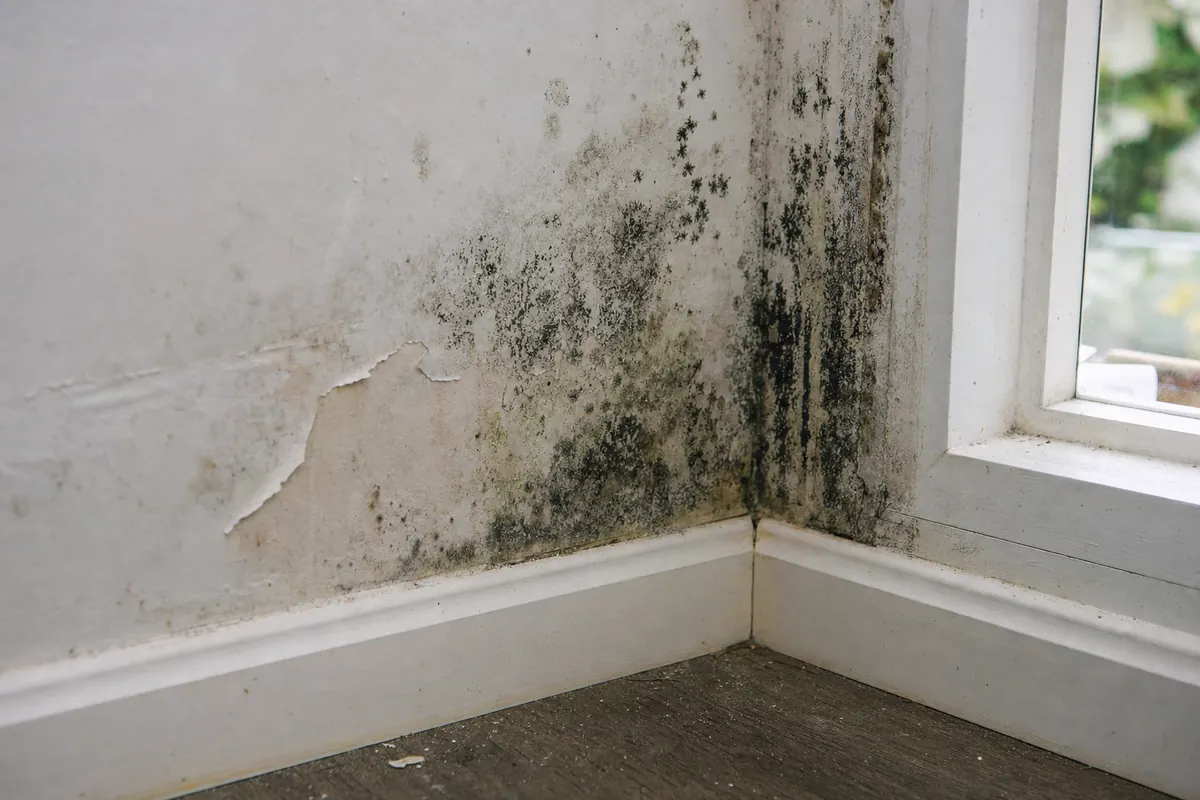
- Common signs: a musty smell, visible spots or growth, and stains or peeling paint after a leak.
- Mold can cause a stuffy nose, sore throat, coughing or wheezing, burning eyes or a skin rash in some people[1], and allergic reactions in sensitive people[2].
- People with asthma or a mold allergy may have severe reactions[1]; people with weakened immune systems or chronic lung disease may get lung infections[1].
- Indoor humidity: the EPA recommends below 60%, ideally 30 to 50%[2]; the CDC says no higher than 50%[1].
Florida law and the experts
- Dry within 24 to 48 hours. The EPA says that if wet materials are dried within 24 to 48 hours of a leak or spill, mold will not grow in most cases[2].
- Licensing. In Florida, remediation of more than 10 square feet of mold is regulated work that requires a state license[3][4]. Licenses are issued to individuals, not companies, so check the person doing the work[5] on DBPR's Verify a Licensee search (license types MRSA for assessors, MRSR for remediators)[6]. Homeowners do not need a license to deal with mold in their own home[7].
- The assessor cannot be the remediator. A Florida mold assessor and their company may not remediate a structure they assessed within the previous 12 months (Division I contractors are an exception)[4], and the assessor may not take referral payments from a remediator[4].
- Testing is often unnecessary. The EPA says sampling is usually unnecessary when mold is visible and there are no federal limits for mold spores[8]; the CDC does not recommend routine mold testing[1].
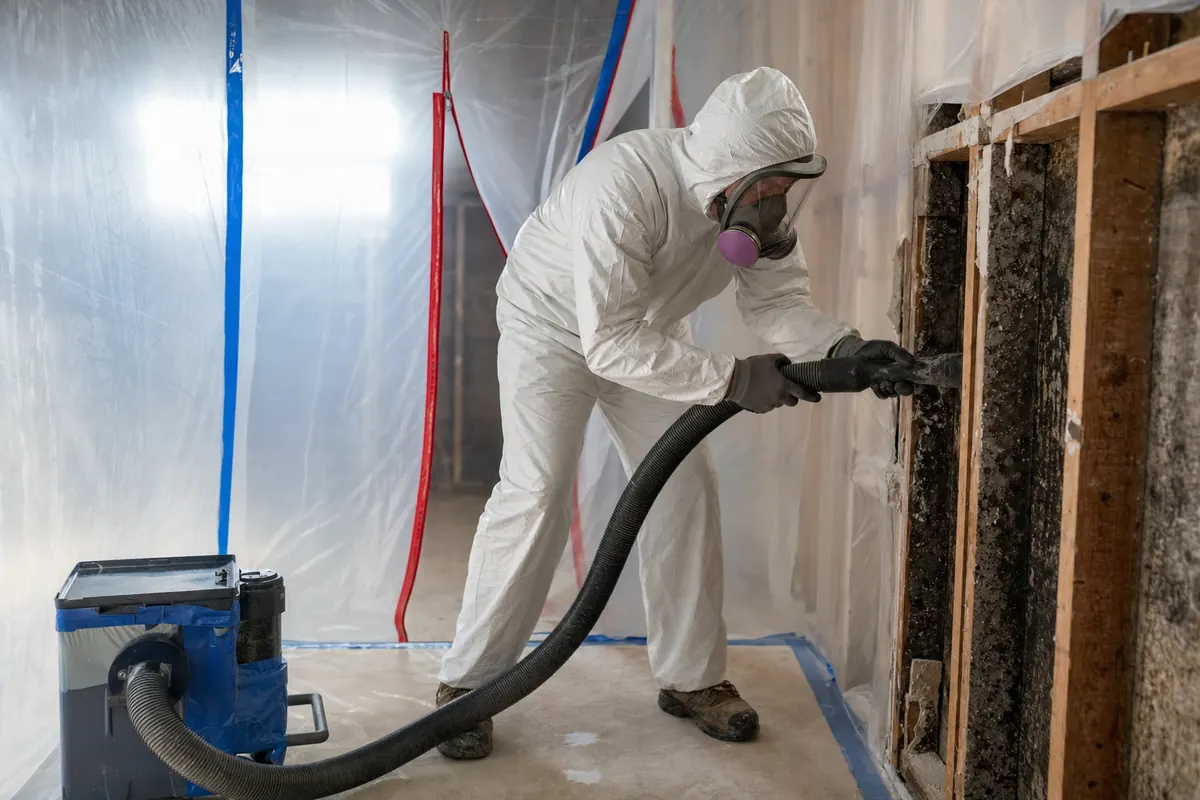
How remediation works
- Find and fix the moisture. There is no practical way to remove all spores indoors; controlling moisture is how mold is controlled[9].
- Contain the area so spores do not spread, and do not run an HVAC system suspected of contamination[2].
- Remove porous materials such as ceiling tiles and carpet that may not be cleanable[2].
- Clean hard surfaces. The CDC says soap and water, household products, or a bleach solution of no more than 1 cup per gallon can remove mold from hard surfaces[1]; never mix bleach with ammonia[2].
- Dry and verify. The goal is not sterile: a background level of spores remains and will not grow once the moisture problem is fixed[2].
Areas over about 10 square feet, contaminated water and HVAC contamination are jobs for a professional[2]. Call (000) 000-0000
Cost
| Published cost guide | National figures |
|---|---|
| HomeGuide | $1,500 to $6,000 typical; $15 to $30 per sq ft; whole attic or basement up to $15,000[10] |
| HomeAdvisor | $1,223 to $3,758 typical; average $2,369; $10 to $25 per sq ft[11] |
| Bob Vila | $1,125 to $3,439 typical; average $2,254[12] |
Mold remediation cost in detail · Mold inspection cost · Does insurance cover mold?
Sources
Every figure on this page links to its source. Statutes are from the 2026 Florida Statutes. FEMA and NOAA figures were downloaded on 6 November 2026.
- Mold (CDC Mold and Health, About). U.S. Centers for Disease Control and Prevention. https://www.cdc.gov/mold-health/about/index.html Accessed 6 Nov 2026.
- A Brief Guide to Mold, Moisture and Your Home. U.S. Environmental Protection Agency. https://www.epa.gov/mold/brief-guide-mold-moisture-and-your-home Accessed 6 Nov 2026.
- Section 468.8411, 2026 Florida Statutes. The Florida Senate (Florida Statutes). https://www.flsenate.gov/Laws/Statutes/2026/468.8411 Accessed 6 Nov 2026.
- Section 468.8419, 2026 Florida Statutes. The Florida Senate (Florida Statutes). https://www.flsenate.gov/Laws/Statutes/2026/468.8419 Accessed 6 Nov 2026.
- Mold-Related Services: FAQs. Florida Department of Business and Professional Regulation. https://www2.myfloridalicense.com/mold-related-services/faqs/ Accessed 6 Nov 2026.
- Mold-Related Services. Florida Department of Business and Professional Regulation. https://www2.myfloridalicense.com/mold-related-services/ Accessed 6 Nov 2026.
- Section 468.841, 2026 Florida Statutes. The Florida Senate (Florida Statutes). https://www.flsenate.gov/Laws/Statutes/2026/468.841 Accessed 6 Nov 2026.
- Mold Testing or Sampling. U.S. Environmental Protection Agency. https://www.epa.gov/mold/mold-testing-or-sampling Accessed 6 Nov 2026.
- Ten Things You Should Know about Mold. U.S. Environmental Protection Agency. https://www.epa.gov/mold/ten-things-you-should-know-about-mold Accessed 6 Nov 2026.
- Mold removal cost. HomeGuide. https://homeguide.com/costs/mold-removal-cost Accessed 6 Nov 2026.
- How Much Does Mold Remediation Cost?. HomeAdvisor. https://www.homeadvisor.com/cost/environmental-safety/remove-mold-and-toxic-materials/ Accessed 6 Nov 2026.
- Mold Remediation Cost Guide: What to Know + How Much You'll Pay. Bob Vila. https://www.bobvila.com/articles/mold-remediation-cost/ Accessed 6 Nov 2026.